When One Switchroom Fails, the Whole Building Stops: Why Australian Buildings Need Predictive Electrical Monitoring
14 June 2026 · BES Team
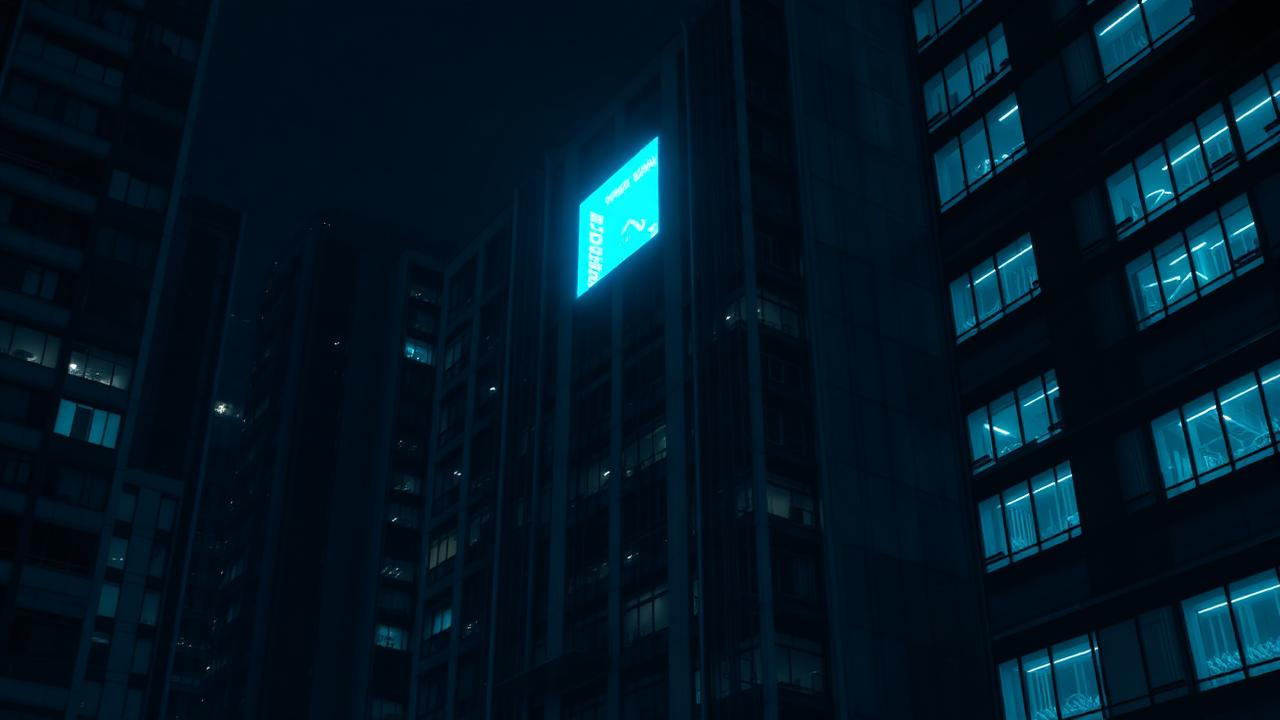
It's a normal working day in Sydney, Melbourne or Brisbane. Shops are open, lifts are running, tenants are working, and residents are going about their daily routine. Then one main switchboard develops a fault. Within minutes the problem is no longer hidden inside the switchroom — lifts stop, retail tenancies go dark, HVAC drops out, residents flood building management, and emergency repair crews are mobilised.
The future of electrical maintenance in Australia cannot rely only on post-incident repair. The real question is: could the abnormality have been detected earlier?
Industry reporting and insurance data consistently show that a meaningful share of unplanned commercial building outages originate not from the network operator, but from internal equipment — main switchboards, MSBs, distribution boards, cable terminations, capacitor banks and risers.
Building Power Outages Are Often Internal, Not Network Faults
For Australian property owners — commercial, retail, healthcare, education, data centres, strata residential — the most controllable electrical risks usually sit inside their own electrical rooms. Network operators (Ausgrid, Energex, SA Power Networks, Western Power, Endeavour, etc.) protect the upstream feed. Everything downstream of the point of supply is the asset owner's responsibility.
The Hidden Stage Before Failure
Electrical faults rarely appear suddenly. The typical deterioration pathway looks like this:
- A slightly loose connection
- Increased contact resistance
- Localised heating
- Progressive thermal stress
- Insulation degradation or arcing risk
- Smoke, trip, fire or full blackout
The visible incident is often the final stage. The early abnormality may have existed for days, weeks or months before the outage.
Why Manual Inspection Alone Has a Blind Spot
Periodic inspection and testing under AS/NZS 3000 and routine maintenance frameworks such as AS/NZS 3019 (verification of existing electrical installations) are essential. But they remain a snapshot in time. If a connection begins deteriorating between visits, the building has no visibility until an alarm, trip, smoke or failure event.
The goal is not to replace statutory inspection — it is to add continuous intelligence between inspections.
PowerGuard AI as the Building's Electrical Guardian
PowerGuard AI is designed for exactly this gap:
- RFID thermal sensors monitor critical connection points across busbars, MCCB/ACB terminals, incomers and cable terminations.
- AI learns the normal thermal behaviour of each point under your real Australian load patterns (including extreme summer peaks).
- Abnormal residuals, trends and persistence are detected before they become an incident.
- A Health Index converts complex data into clear maintenance priority.
- Alerts notify the right facility team before the issue escalates.
- A conversational AI assistant supports incident response with site-specific guidance.
- Integrated water-ingress detection for switchrooms below plant decks or risers.
From Outage Response to Outage Prevention
| Old model | New model |
|---|---|
| Wait for trip / smoke / complaint | Detect abnormality early |
| Repair after blackout | Maintain before failure |
| Manual inspection snapshot | Continuous AI monitoring |
| Fragmented incident response | Data-driven response workflow |
Is your building still waiting for the next electrical incident, or already monitoring the early signs?
Contact BES to explore how PowerGuard AI can identify abnormal switchboard conditions before they escalate.
Want to discuss your switchboard portfolio?
BES helps Australian buildings move from reactive repair to predictive electrical monitoring with PowerGuard AI.
Contact BES